Exploring Innovation in Water Conservation: Lake Apopka Restoration Project
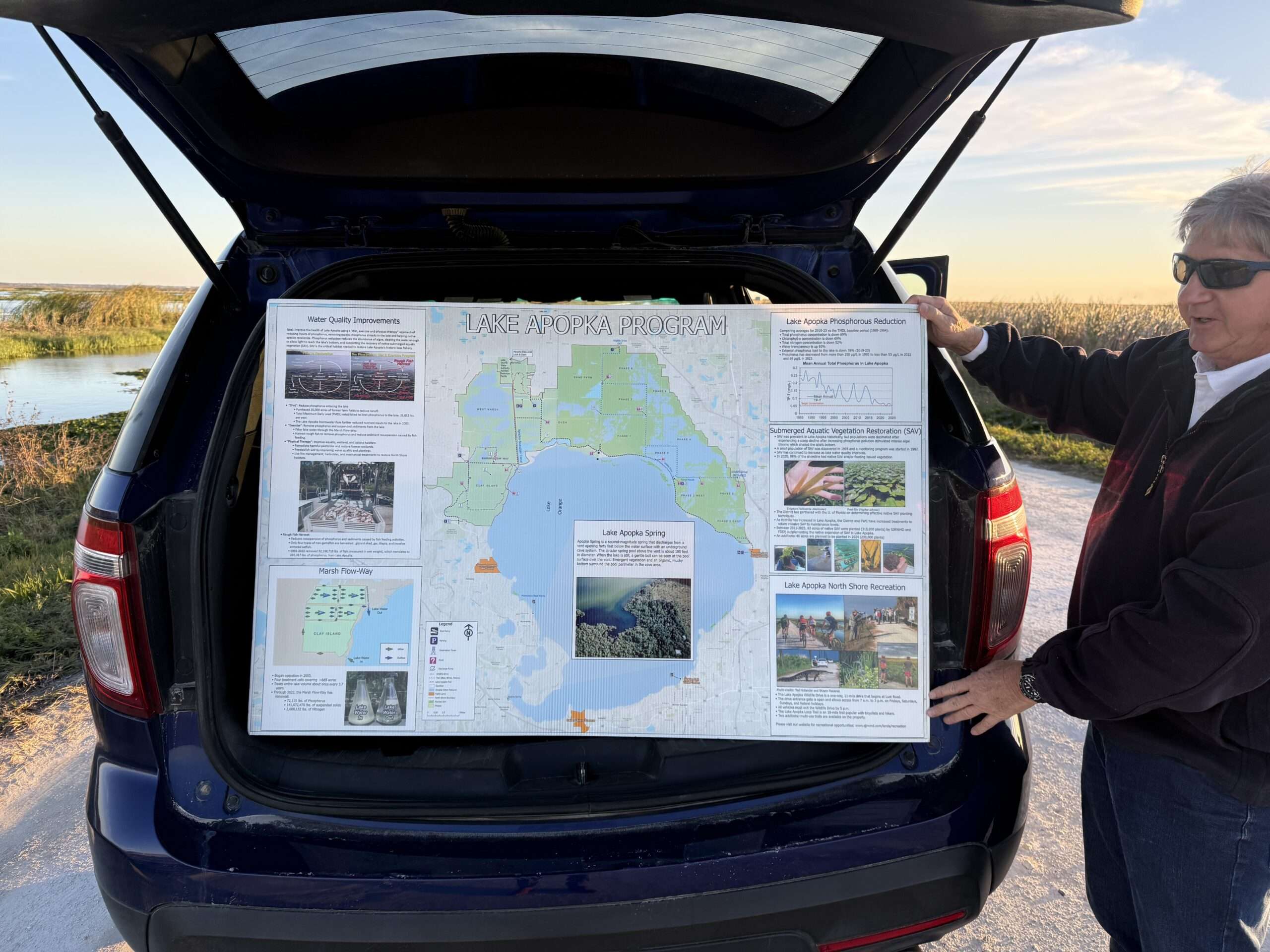
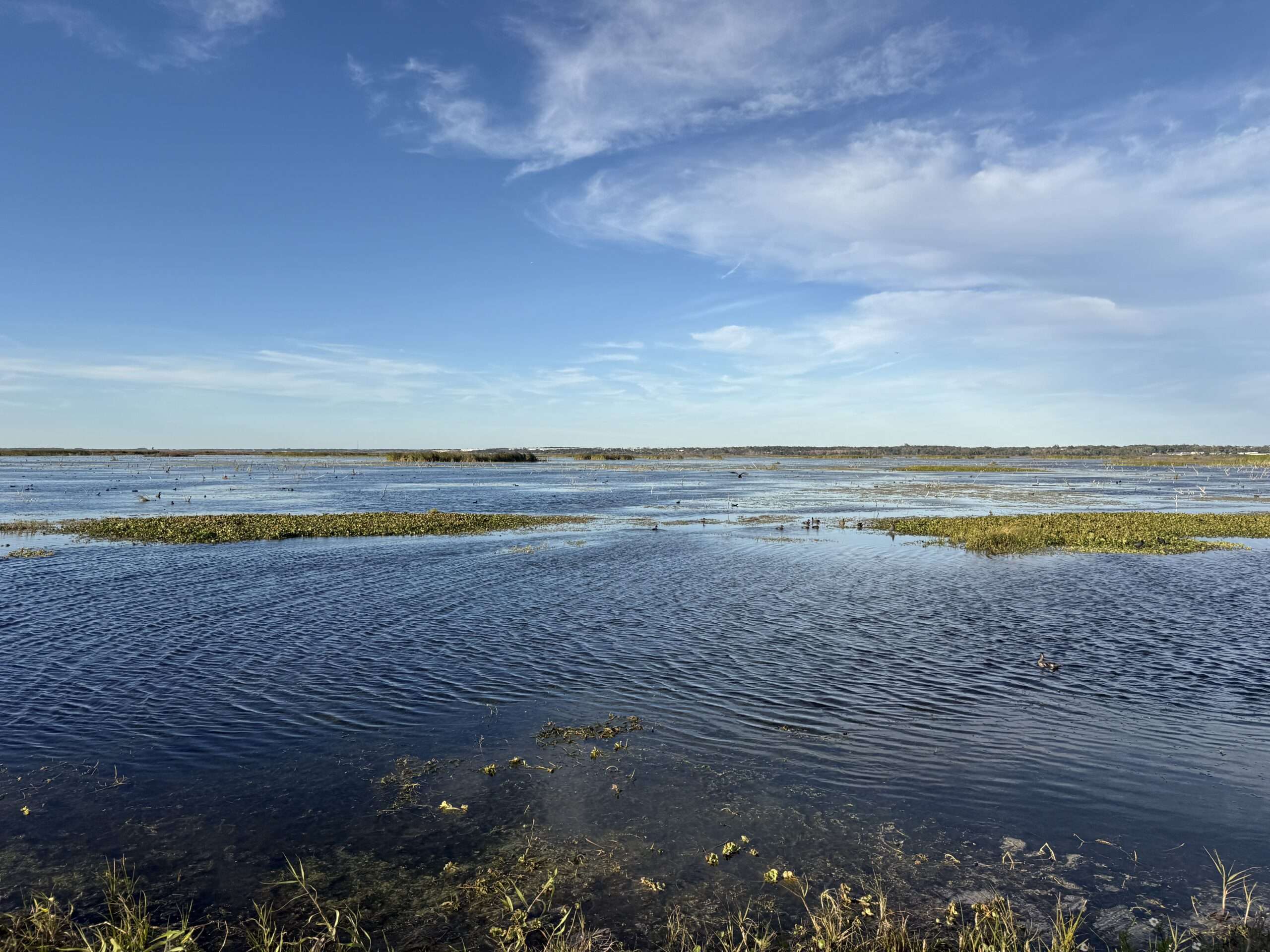
PRM recently had the privilege of visiting the Lake Apopka restoration project, thanks to the St. Johns River Water Management District.
The Lake Apopka restoration project ranks among the most significant ecosystem recovery efforts in U.S. history. Once Florida’s largest and most productive lake, it suffered severe pollution beginning in the 1940s. During that period, thousands of acres of wetlands were drained for agricultural “muck farms,” sending phosphorus-rich runoff into the lake. The situation worsened in 1980 when a pesticide spill at the Tower Chemical Company caused massive fish kills and accelerated ecological decline. By the 1990s, Lake Apopka had become hypereutrophic, plagued by algal blooms, declining fish populations, and degraded wildlife habitat.
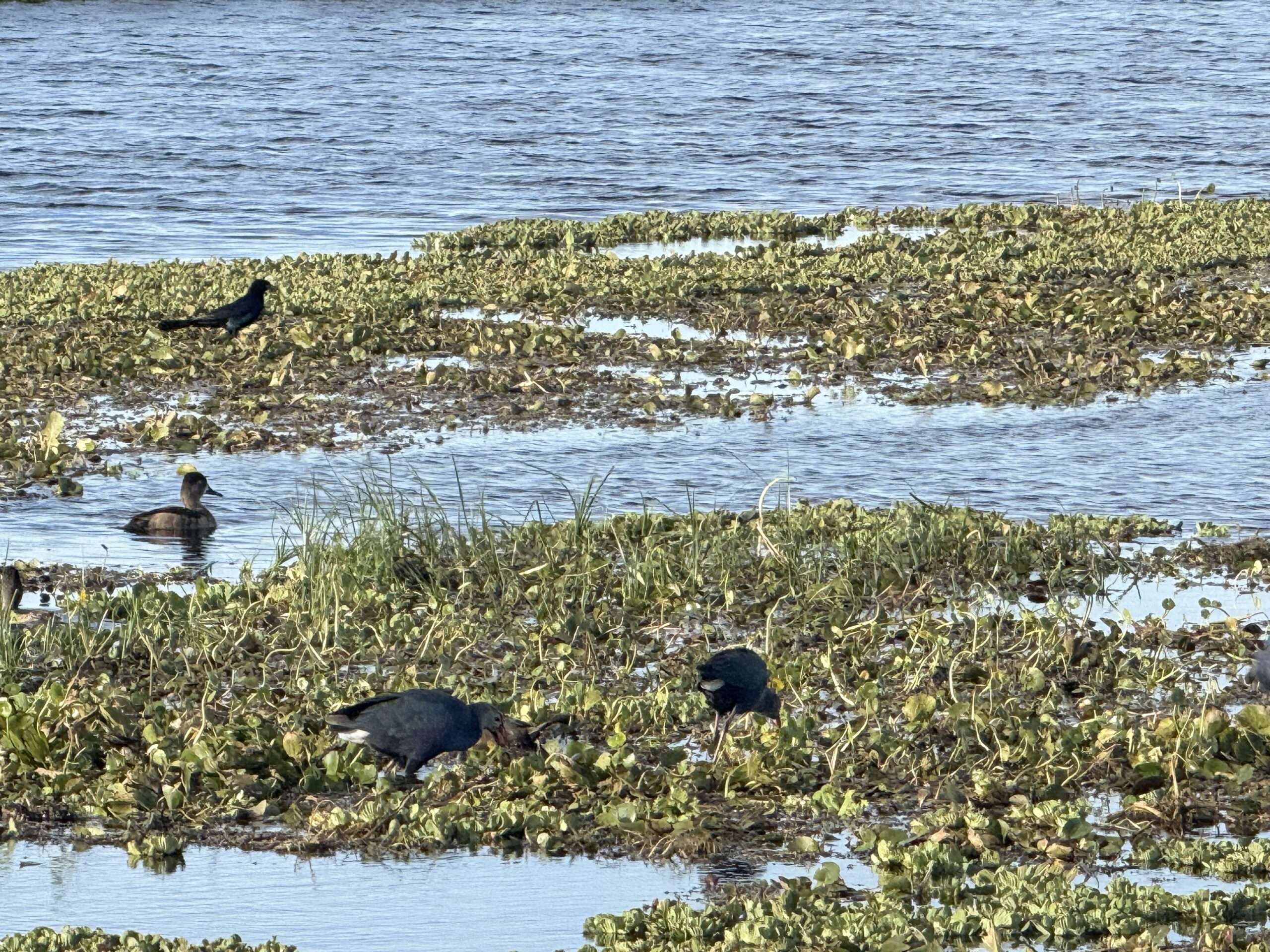
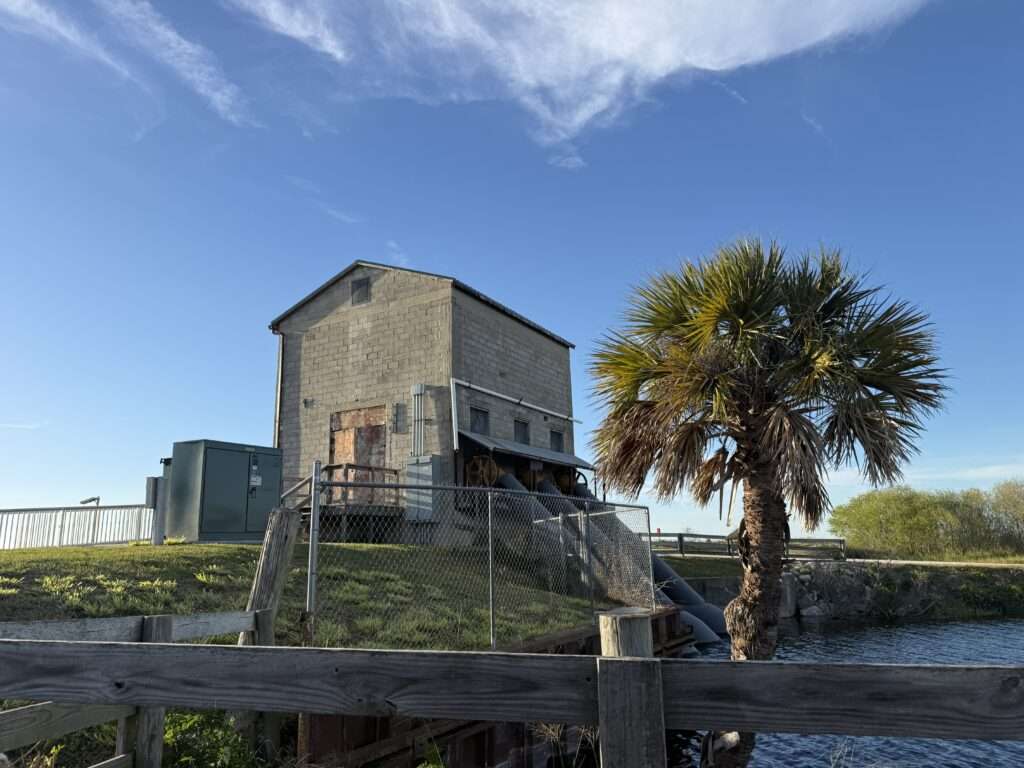
To tackle these challenges, the St. Johns River Water Management District implemented a long-term restoration plan. They purchased former farmland, restored tens of thousands of acres of wetlands, built marsh flow-ways to filter nutrients, and reduced external nutrient loading. These actions transformed the lake: water clarity improved, phosphorus levels dropped, submerged aquatic vegetation returned, and native bird and fish populations rebounded. Today, Lake Apopka serves as a national model for large-scale watershed restoration, demonstrating how strategic land management, nutrient control, and wetland recovery can reverse decades of environmental damage.
Seeing these innovative water conservation and restoration efforts highlights why efficient water management matters – not just today but for future generations. The Lake Apopka project demonstrates how careful planning, science-based solutions, and active ecosystem stewardship can restore landscapes, improve water quality, and strengthen habitat resilience.
PRM’s Role in Supporting Sustainable Water Management
At PRM, we advance water efficiency and environmental stewardship across diverse landscapes. Our work spans municipal water systems and agricultural fields. Through biological soil management, precision irrigation, and data-driven strategies, we help partners use resources more efficiently while supporting long-term ecosystem health.
The Lake Apopka visit reinforced an important truth: sustainability is a journey. Strong partnerships make that progress possible. Collaboration with organizations like the St. Johns River Water Management District drives measurable gains in water conservation and responsible environmental management.

Special thanks to
Deirdre Irwin, Jim Peterson, and the St. Johns River Water Management District.