Regenerating Soil on Alfalfa at Noroian Farms
Early Field Performance with PRM BIOS
PRM is partnering with Noroian Farms on a multi-year alfalfa soil regeneration project designed to evaluate how biological soil management improves water efficiency, crop performance, and long-term ROI in commercial production systems.
This demonstration focuses on rebuilding soil function from the start of the stand, using PRM BIOS to improve infiltration, biological activity, and early crop establishment – key drivers of yield, quality, and resilience over the life of an alfalfa field.
- Improved soil structure with reduced crusting and cracking
- Increased water infiltration, allowing water to reach roots more effectively
- Enhanced ground cover percentage for stronger early stand
- More uniform seed emergence, breaking through the surface consistently
- Early signs of boosted biological activity visible in soil behavior
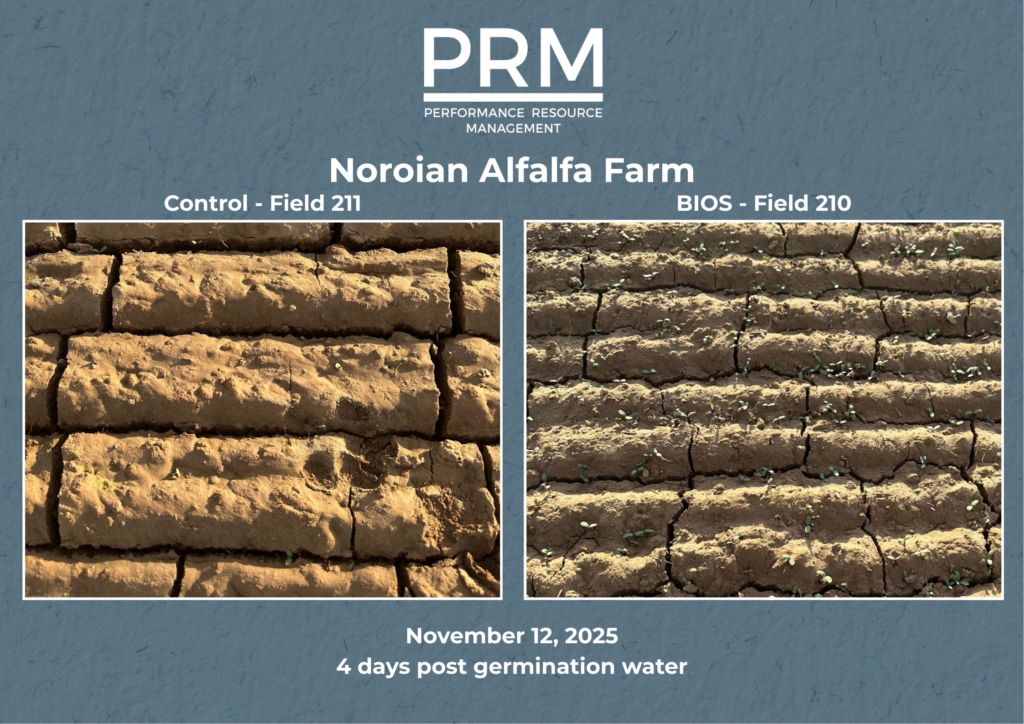
Field 211 (Control) vs. Field 210 (PRM BIOS)
Side-by-Side Pilot Results
These two fields were planted and managed identically:
- Same seed variety
- Same inputs
- Same planting date
- Same irrigation timing and volume
4 Days Post-Irrigation — Early Observations
Just days after irrigation, clear differences in soil and crop behavior were already visible:
- Improved soil structure with reduced crusting and cracking
- Increased water infiltration, allowing moisture to reach roots more effectively
- Higher ground cover percentage, supporting a stronger early stand
- More uniform seed emergence, breaking through the surface consistently
- Early signs of increased biological activity, visible in soil response
These early indicators align with exactly what BIOS is designed to deliver: better soil function at the earliest stages, setting the foundation for resilient crop performance throughout the season.
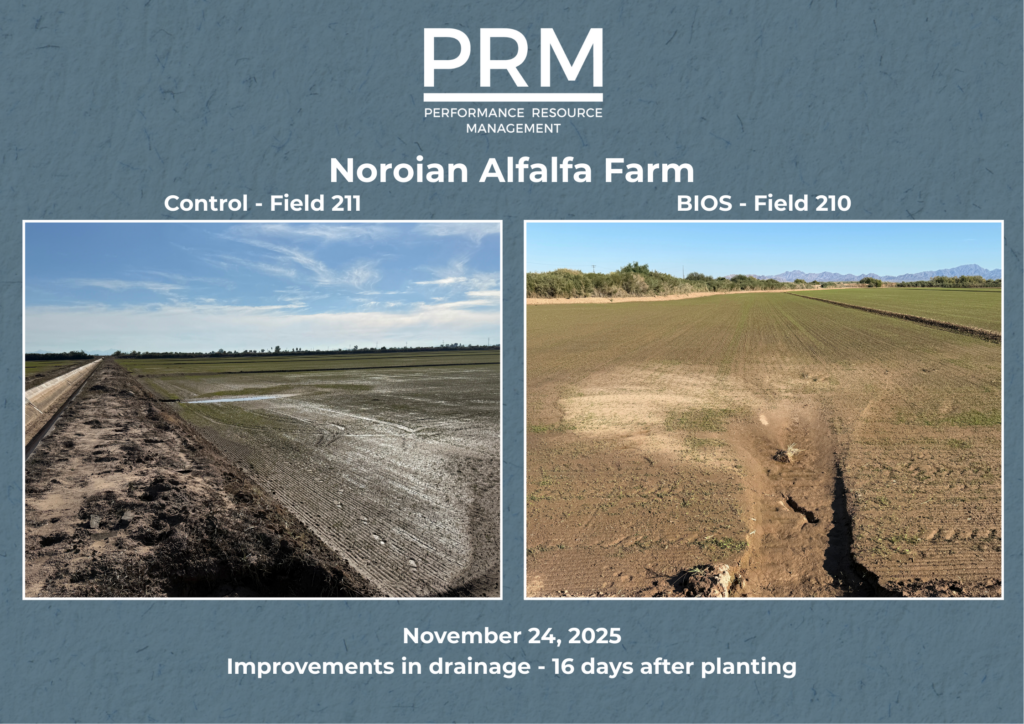
2 weeks Post-Planting — Drainage & Soil Response
With identical water and inputs, the BIOS-treated field showed:
- Faster surface drainage
- Improved soil permeability
- Reduced surface sealing
These soil-level improvements directly support root development and water-use efficiency as the crop matures.
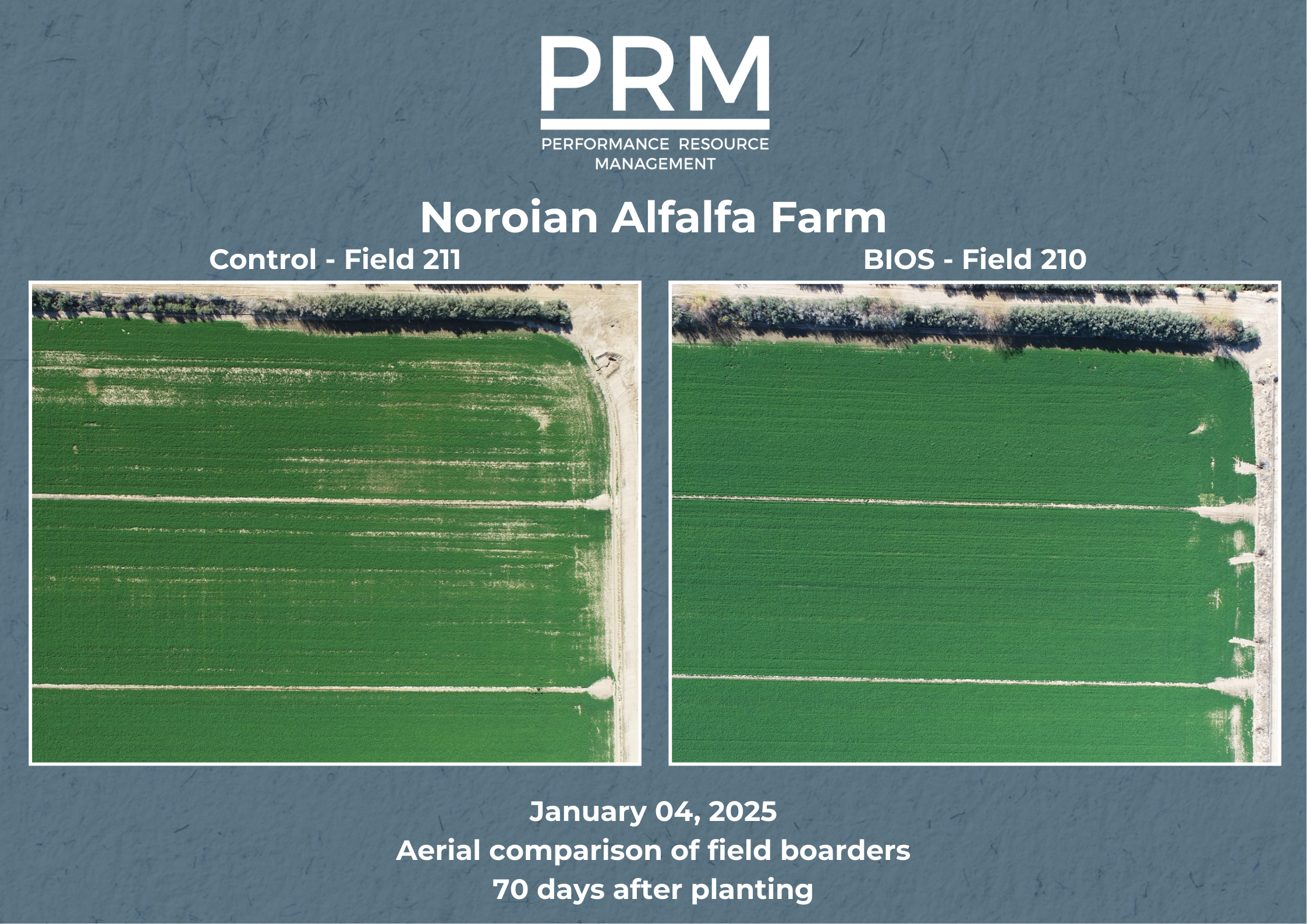
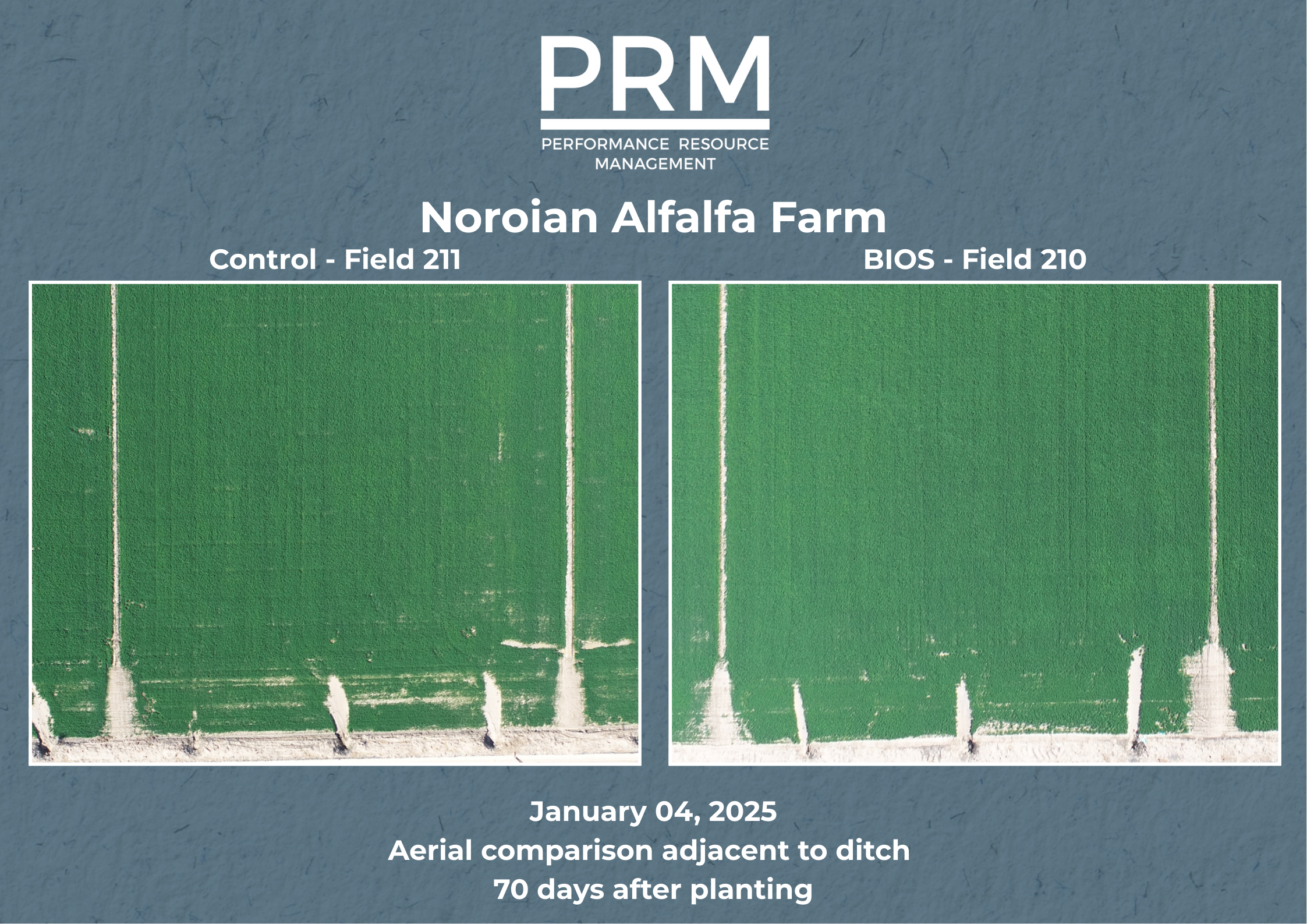
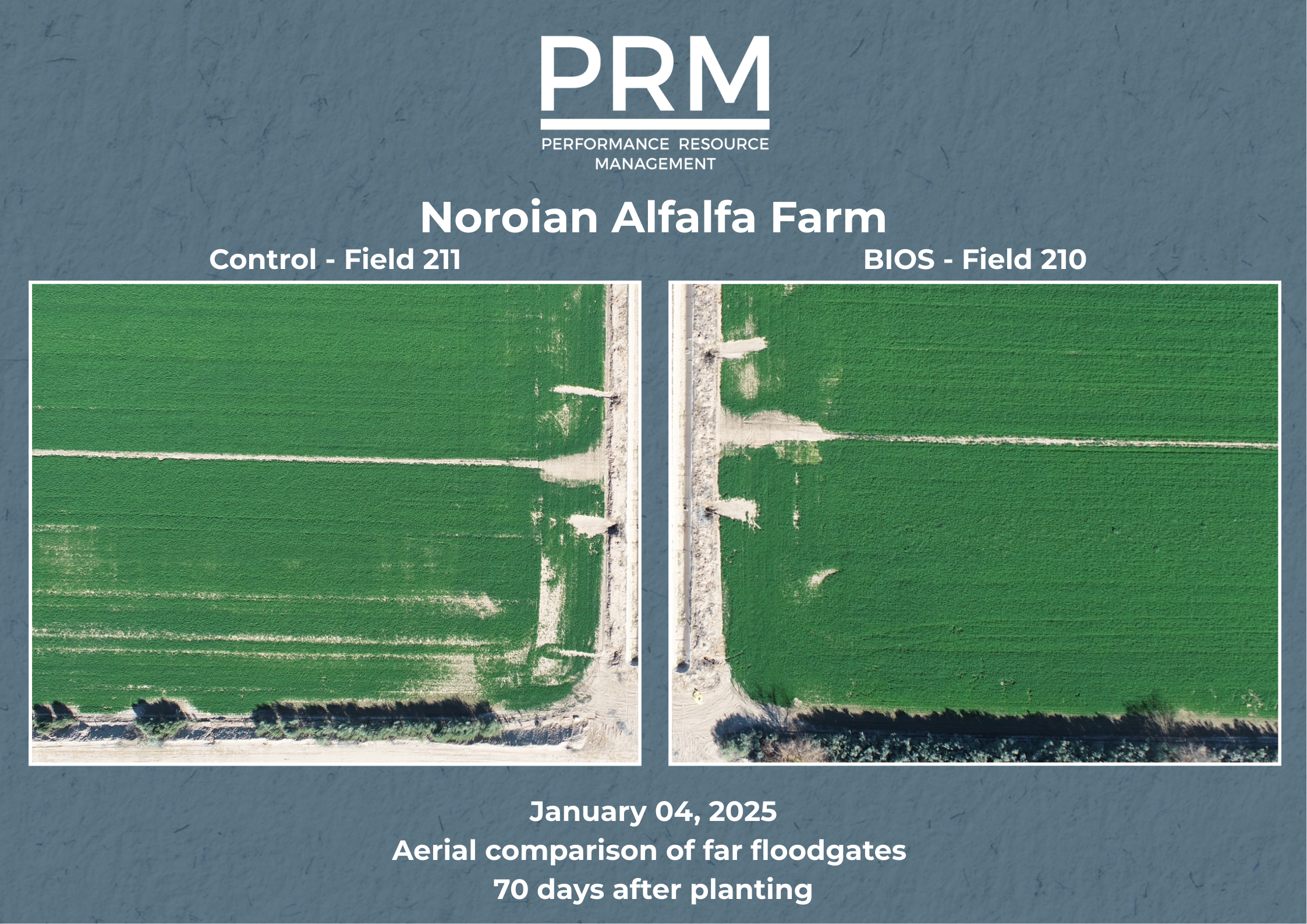
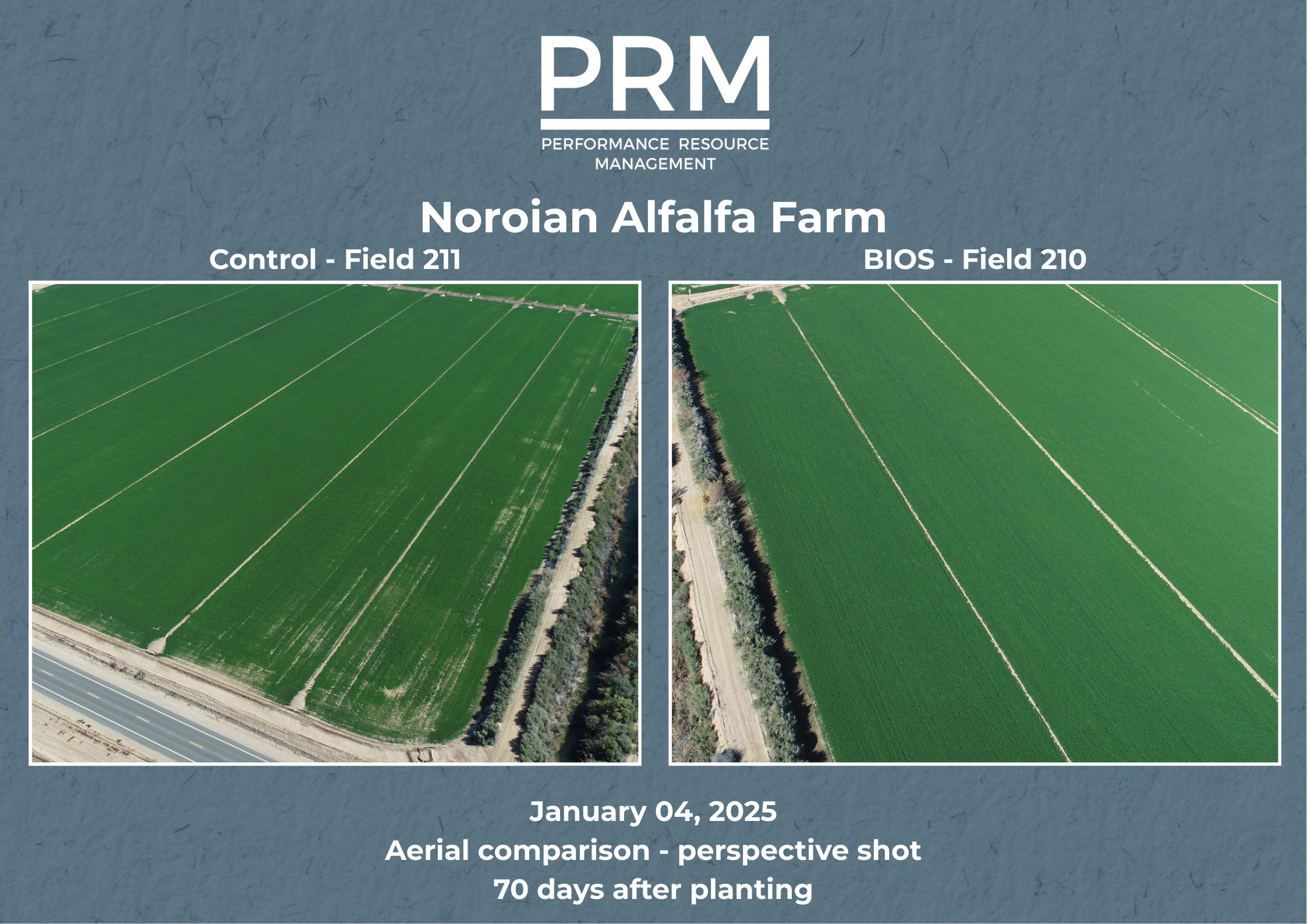
10 weeks Post-Planting — Aerial Comparison
Aerial imagery across multiple vantage points continued to show consistent advantages in the BIOS-treated field:
- Field Borders: Healthier, more uniform growth
- Adjacent to Ditch: Better infiltration and reduced crusting
- Far Floodgates: More consistent emergence and coverage
- Full-Field Perspective: Stronger vigor and canopy uniformity
Together, these observations demonstrate how PRM BIOS supports:
- Improved soil structure and biological activity
- Increased water efficiency
- Enhanced stand uniformity for more consistent alfalfa growth
This side-by-side pilot forms the core benchmark for tracking soil regeneration, water performance, yield, and quality over the full lifespan of the alfalfa stand.
Field 104 (supporting field) : Establishment with BIOS
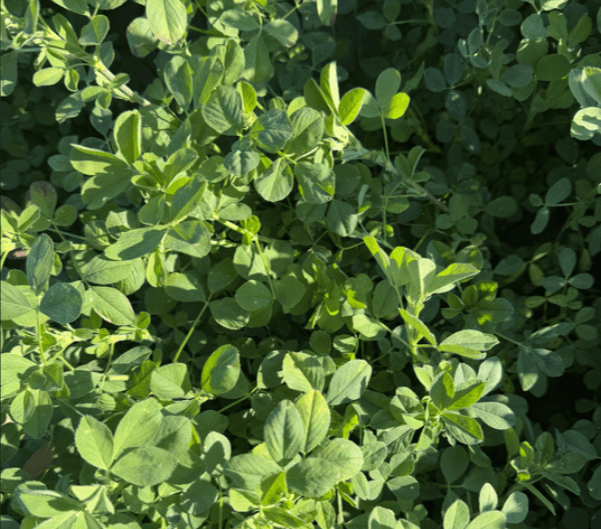
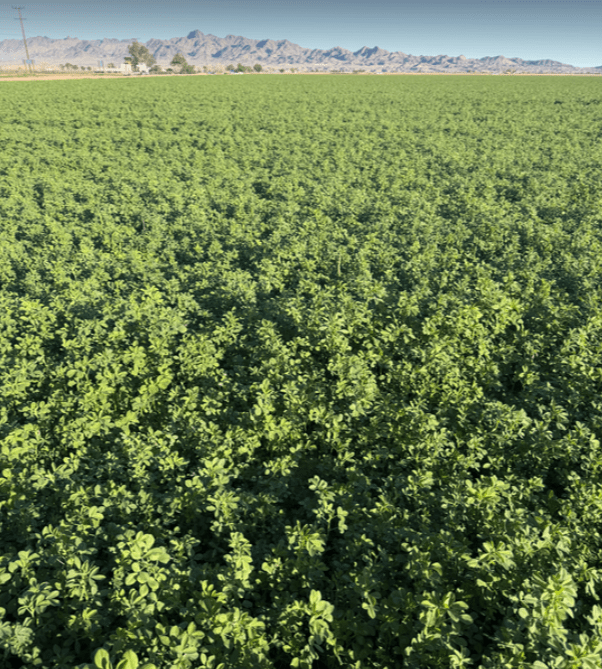
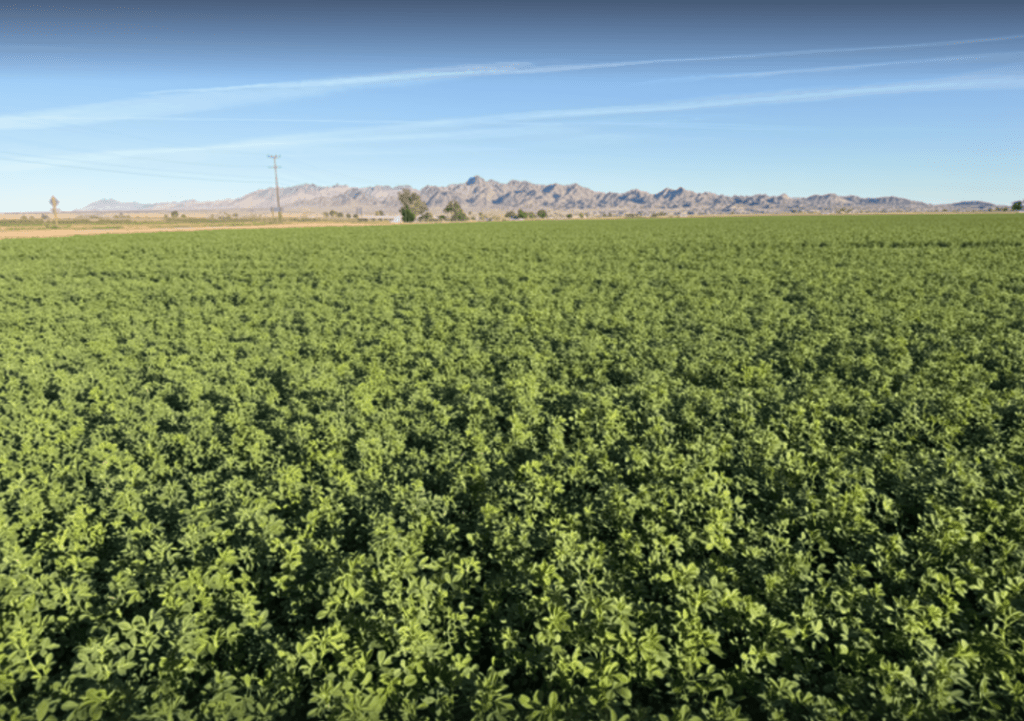
At 8 weeks into the season, Field 104 is demonstrating exactly what we expect when implementing BIOS with a new plating.
The alfalfa stand is healthy, uniform, and well-established across the entire field – a strong foundation for consistent performance throughout the growing season. This early success is supported by PRM’s BIOS, which regenerates the soil’s biological ecosystem to promote stronger crop establishment.
What We’re Seeing in Field 104
- Uniform stand development across the field
- Healthy early vigor supporting long-term nutrient availability and productivity
- Improved soil function, less evaporation and runoff set the stage for improved water efficiency
- Strong crop establishment, critical for cutting quality and consistency
A solid start like this directly supports:
- Higher yields
- Increased quality (RFV / Protein)
- Improved water efficiency
- Enhanced Resilience – increased consistency for more predictable harvests
Economic & Environmental Value of the PRM BIOS Program
From an economic standpoint, the PRM BIOS program is designed to:
- Improve water-use efficiency, reducing irrigation demand and associated costs
- Support stronger stand longevity, protecting yield potential over the life of the alfalfa field
- Drive more consistent cuttings and crop quality, improving predictability and revenue
- Generate measurable return on investment through input efficiency and performance gains
Environmentally, the program is focused on:
- Restoring soil biology and structure to improve infiltration and reduce compaction
- Enhancing soil resilience under drought and stress conditions
- Supporting carbon retention and biodiversity within the soil system
- Reducing reliance on synthetic inputs through biology-driven performance
We are especially grateful to the Metropolitan Water District of Southern California and WaterSTART for their involvement and funding of this project, their support is helping make this important research possible.
Ongoing Updates
This post will be updated throughout the demonstration and pilot period as new data becomes available. Field observations, soil metrics, water performance, and economic outcomes will be added over time to provide a transparent, real-world view of how biological soil regeneration performs at scale in commercial alfalfa production.